
Wellness is just a phone call away. We’re here for you 24/7. Call 908-678-1870
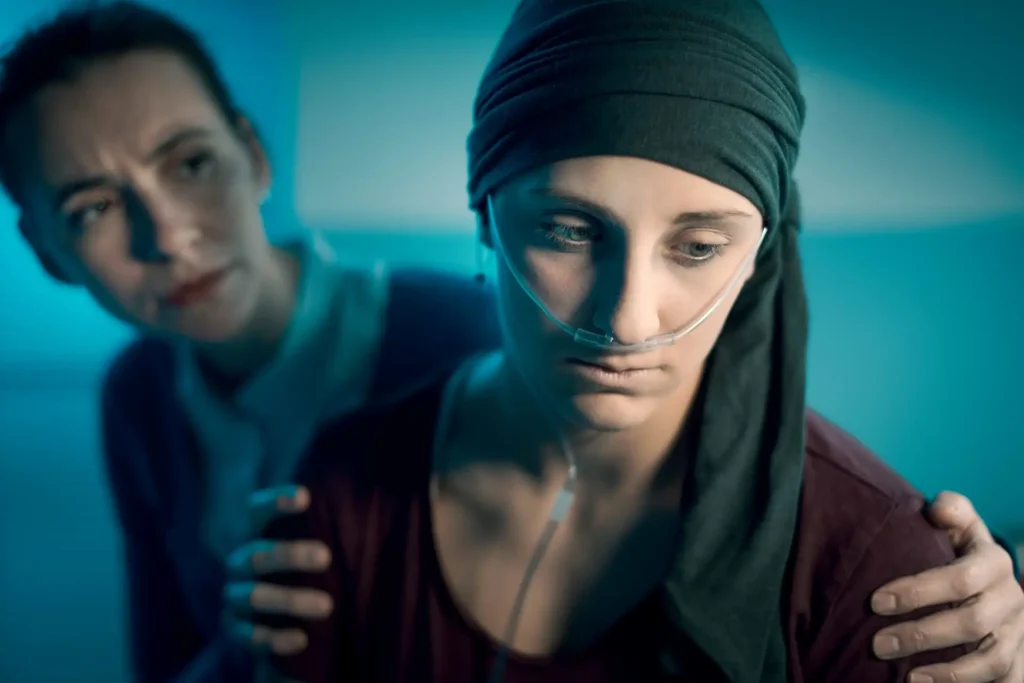
People who experience both symptoms of schizophrenia and a mood disorder may have a condition called schizoaffective disorder. This condition is rare, but it can be effectively treated. At Rubicon Mental Health Center, we provide outpatient treatment for people with mental health disorders, including schizoaffective disorder, in Watchung, New Jersey.
We serve individuals from New Jersey, Pennsylvania, and New York with an evidence-based, whole-person approach that addresses emotional, psychological, and behavioral needs. Learn more about schizoaffective disorder and see how our outpatient treatment can help you achieve lasting stability.
Schizoaffective disorder is a mental health disorder that is marked by symptoms of schizophrenia, such as delusions, hallucinations, and disorganized thinking, as well as symptoms of a mood disorder, such as mania and depression. Since it combines characteristics of psychotic and mood disorders, schizoaffective disorder is considered a hybrid disorder.
There are two main types of schizoaffective disorder, which are characterized by the type of mood disorder that accompanies the schizophrenia symptoms. They include:
People with schizoaffective disorder also often deal with cognitive and functional struggles, such as memory issues, social withdrawal, and challenges completing daily tasks. Since schizoaffective disorder can present like both schizophrenia and bipolar disorder, many patients are incorrectly diagnosed with these conditions over schizoaffective disorder. A correct diagnosis is essential to properly treating the condition.
Both schizoaffective disorder and schizophrenia share psychotic symptoms, such as delusions and hallucinations. However, the main difference between the two is the presence of mood disturbances alongside psychotic symptoms.
As is the case with many mental health conditions, there isn’t a single cause of schizoaffective disorder. Instead, research suggests it is due to a mix of genetic, biological, and environmental factors that can increase a person’s vulnerability to developing it. They include:
Having one or more of these risk factors does not automatically mean a person will develop schizoaffective disorder, but it can increase their vulnerability to it.
Schizoaffective disorder can be challenging to diagnose because symptoms of both schizophrenia and mood disorders are present. Additionally, there isn’t a definitive brain scan or blood test that can be used to diagnose the disorder. Therefore, mental health professionals determine a diagnosis through a comprehensive clinical assessment. It may include:
Using the information gathered during the diagnostic process, the mental health professional can confirm or rule out a diagnosis of schizoaffective disorder.
Once schizoaffective disorder is diagnosed, getting treatment is a high priority. If schizoaffective disorder is left untreated, it can lead to worsening symptoms, increased functional impairment, a greater risk of hospitalization, and a lower quality of life. Seeking prompt treatment can significantly improve the prognosis.
At Rubicon Mental Health Center, we specialize in providing outpatient treatment for patients with schizoaffective disorder and other mental health conditions. We offer three levels of care to accommodate patients with various degrees of need. They include:
When a patient comes for treatment, they undergo a comprehensive clinical assessment to help our team of master’s-level mental health professionals gauge the level of support they need. The team will then develop a personalized treatment plan, which typically includes a combination of psychotherapy, medication, and support services.
Schizoaffective disorder is most effectively treated using a mix of medication, psychotherapy, and lifestyle support. At Rubicon Mental Health Center, treatment plans may include a variety of therapies and modalities to provide evidence-based, holistic care. They include:
Alongside psychotherapy, treatment also often involves coordinated care, such as job skills training and case management. Self-management techniques are also used to help the individual develop a consistent sleep schedule, avoid substance use, and make other helpful lifestyle changes. We provide various support services, including pre-vocational assistance, case management, and more, to help patients with schizoaffective disorder restore stability and improve their quality of life.
Medication is the basis of schizoaffective treatment, and it is generally needed long-term to control symptoms and prevent relapses. Medications used may include antipsychotics for psychotic symptoms and mood stabilizers or antidepressants for mood symptoms. At Rubicon Mental Health Center, we provide medication management services to help patients get their dosages correct and manage side effects. Our team can also adjust the medications as needed.
If you’re dealing with schizoaffective disorder, you may be wondering if outpatient treatment is the right option for your needs. It may be ideal if:
Outpatient care is generally not recommended if a person is experiencing severe episodes of psychosis or if they pose a danger to themselves or others. If they struggle to care for themselves or have safety risks, inpatient care is generally the better option.
Many patients with schizoaffective disorder also have another mental health disorder or a substance use disorder (SUD). When these disorders occur simultaneously, they are called co-occurring disorders. Co-occurring disorders often have overlapping symptoms that can complicate treatment.
Co-occurring disorders require specialized, integrated treatment to prevent conflicting information and improve overall treatment outcomes. At Rubicon Mental Health Center, we provide dual diagnosis treatment with our sister center, Rubicon Recovery Center. This helps us address the whole patient and their needs with a unified treatment plan from a single care team.
Cost and insurance coverage are often important factors in determining the accessibility of mental health treatment. Although treatment can be costly, it is usually at least partially covered by insurance under federal mental health parity laws. These laws require that insurance plans cover mental health conditions at the same level as physical health conditions. However, how much is covered will depend on your specific insurance provider, plan, and benefits.
At Rubicon Mental Health Center, we accept most major private insurance plans, including Aetna, Anthem, Blue Cross Blue Shield, Cigna, UnitedHealthcare, and more. We offer a convenient insurance verification process that can help you understand your coverage and how much you may have to pay out-of-pocket. Simply contact our Admissions Department at admissions@rubiconbhc.com to get started.
If you are dealing with schizoaffective disorder, treatment is available that can help you restore balance, stabilize your moods, and improve your overall quality of life. At Rubicon Mental Health Center, we provide three levels of outpatient care, serving individuals from New Jersey, Pennsylvania, and New York. These programs are based on a threefold disease model that considers physical, mental, and spiritual health to treat the whole person.
Here, wellness is just a phone call away, and we’re here for you 24/7. To learn more about our outpatient schizoaffective disorder treatment near you in Watchung, NJ, call (908) 678-1870 or contact us online today.
What are the different types of schizoaffective disorder?
There are two primary types of schizoaffective disorder: bipolar type and depressive type. Bipolar type features episodes of mania alongside psychotic symptoms, although it can also include episodes of major depression. Depressive type features major depressive episodes alongside psychotic symptoms, without any manic episodes.
Is schizoaffective disorder different from schizophrenia?
Yes. Although schizoaffective disorder and schizophrenia both include psychotic symptoms such as delusions and hallucinations, schizoaffective disorder is also characterized by mood disturbances like mania and depression. Schizophrenia does not cause major mood disturbances.
What are the symptoms of schizoaffective disorder?
Schizoaffective disorder causes both psychotic symptoms and mood symptoms. The symptoms may include:
How is schizoaffective disorder diagnosed?
To diagnose schizoaffective disorder, mental health professionals perform a comprehensive clinical assessment that compares the patient’s symptoms to clinical criteria and rules out other potential causes.
What treatments work best for schizoaffective disorder?
The best treatments for schizoaffective disorder typically include a combination of antipsychotic and mood-stabilizing medications, psychotherapy such as cognitive behavioral therapy (CBT), and lifestyle support.
Can schizoaffective disorder be treated on an outpatient basis?
Yes, schizoaffective disorder can be effectively treated on an outpatient basis, especially when the patient’s symptoms are stabilized and they don’t pose a danger to themselves or others.
Does Rubicon Mental Health Center offer dual diagnosis services?
Yes, we specialize in dual diagnosis treatment for schizoaffective disorder and other commonly co-occurring conditions, such as depression, anxiety, and substance use disorder.
Does insurance usually cover outpatient schizoaffective disorder treatment?
It depends on the specific insurance provider and plan, but outpatient schizoaffective disorder treatment is typically covered at least partially under federal mental health parity laws.
Where is Rubicon Mental Health Center located?
We are located at:
40 Stirling Rd, Ste 212
Watchung, NJ 07069-5954
Our facility can be accessed via several major highways, including Interstate 78, Route 22, Interstate 287, Garden State Parkway, and Route 206.